
Europe

30 Croatia

30 Croatia

Croatia blends Adriatic coastline beauty with medieval old towns, island culture, and inland nature parks. From Dubrovnik and Split to Plitvice and Dalmatian islands, the country offers both heritage and beach-focused travel in a compact route. It is easy to combine ferry travel, historic walking cities, and national-park day trips in one itinerary.
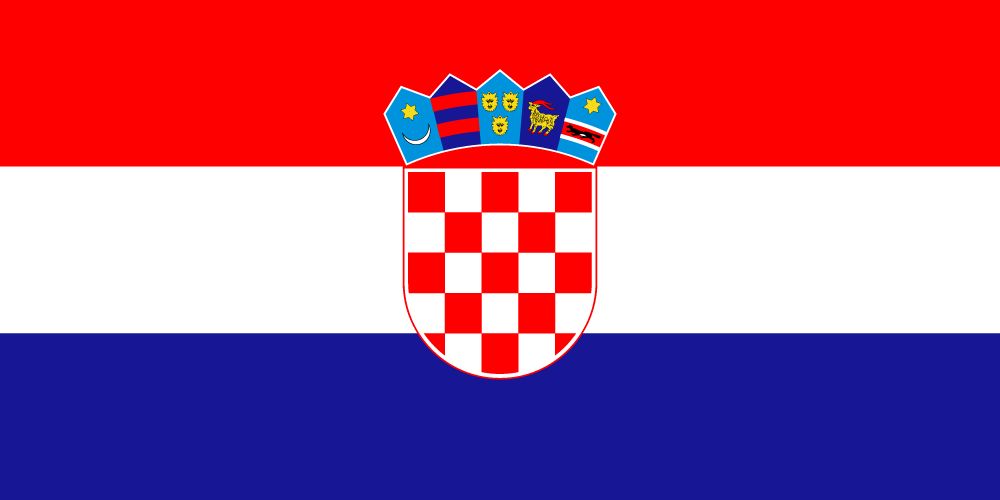
Croatia flag

Visa Information

Below is a summary of how I entered, whether through a visa or another permitted route.

Visa Required
No

Notes

I entered this country using my Finnish residence permit, which allowed entry without a separate visa.

Last updated 2 hours ago

Info: This is placeholder data. Real expense details will be updated soon.
S.No Details Date Amount Currency Amount (NPR) Remarks
1 ~40/night 80 Accommodation
2 ~25/day 50 Food & Dining
3 35 Activities
4 Free Activities
5 27 Activities
6 Return 15 Activities
7 8 Transport
8 20 Transport
9 ~30/night 60 Accommodation
10 ~20/day 40 Food & Dining
11 Free grounds Activities
12 7 Activities
13 Free Activities
14 6 Transport
15 18 Transport
16 Off-season 30 Activities
17 15 Food & Dining
18 35 Accommodation
19 12 Transport
20 35 Accommodation
21 25 Food & Dining
22 8 Activities
23 Free Activities
24 10 Transport
25 30 Accommodation
26 22 Food & Dining
27 Free Activities
28 5 Activities
29 10 Connectivity
30 35 Insurance
31 25 Miscellaneous
32 10 Miscellaneous
33 12 Transport
34 EUR 650 + USD 35
Total 0.00 685

Last updated 2 hours ago

💡

General Tips

Walking the city walls in Dubrovnik offers stunning views with the blue of the Adriatic in the background. Split features Diocletian's Palace where visitors can explore 1,700-year-old arches. Plitvice Lakes has wooden pathways suspended above turquoise water. The islands each have distinct personalities; Hvar blends luxury and tradition. Croatian meals are slow, shared, and filled with laughter - embrace the local dining pace. Croatia sits at the crossroads of Central Europe and the Mediterranean with Austro-Hungarian, Balkan, and Italian influences.

💡

Currency and Payments

Croatia switched to the Euro (EUR) in January 2023, replacing the Kuna. Cards are widely accepted in hotels, restaurants, and shops. Carry cash for small markets, ferries, and rural areas. ATMs are widely available across cities, airports, and islands.

💡

Getting Around

Buses are the most reliable public transport connecting major cities and coastal towns. Ferries operated by Jadrolinija connect the mainland to islands like Hvar, Korcula, and Brac. Train travel within Croatia is limited. Local bus tickets cost EUR 1-2 and can be bought from the driver or a tisak newsstand.

💡

Safety

Croatia is very safe, ranked 15th out of 163 countries in the 2024 Global Peace Index with a US State Department Level 1 advisory. Petty theft can occur in tourist hotspots during peak summer season, so watch your belongings in crowded areas.

💡

Electricity and Plugs

Croatia uses Type C and F plugs with 230V/50Hz, the same as most of continental Europe. Travelers from the US, UK, or Asia will need an adapter.

💡

Best Time to Visit

May-June and September-October offer warm weather with fewer crowds and lower prices. July-August is peak season with higher prices and heavy crowds, especially in Dubrovnik and Split. Plitvice Lakes is stunning year-round but most accessible from April to October.

💡

Tipping Culture

Tipping is appreciated but not mandatory. In restaurants, leaving 10-15% for good service is common. For taxi drivers, rounding up the fare is standard. Tour guides typically receive EUR 5-10 per person.

Last updated 2 hours ago

1

Zagreb's Upper and Lower Town

📍 Zagreb

Explore Zagreb's Upper Town starting at St. Mark's Church with its colorful tiled roof, then visit the Museum of Broken Relationships for a unique cultural experience. Walk through Dolac Market, the city's open-air farmers' market, and try strukli at a local restaurant. Stroll along Tkalciceva Street in the evening for cafes and nightlife.

2

Plitvice Lakes Waterfalls

📍 Plitvice Lakes

Drive to Plitvice Lakes National Park, a UNESCO World Heritage Site with 16 interconnected lakes and cascading waterfalls. Walk the wooden boardwalks through the Lower Lakes to see the Great Waterfall, Croatia's tallest at 78 meters, and take a boat across Lake Kozjak. The turquoise and emerald waters surrounded by dense forest make this one of Europe's most stunning natural sites.

3

Split and Diocletian's Palace

📍 Split

Travel to Split and explore Diocletian's Palace, a 1,700-year-old Roman emperor's retirement home that now houses shops, restaurants, and homes within its ancient walls. Climb the Cathedral of St. Domnius bell tower for views over the harbor, then walk along the Riva promenade. Try black risotto made with cuttlefish ink at a restaurant in the old town.

4

Dubrovnik City Walls

📍 Dubrovnik

Arrive in Dubrovnik and walk the complete circuit of the medieval city walls, nearly two kilometers of fortifications offering spectacular views of terracotta rooftops and the Adriatic Sea. Explore the Stradun main street, visit the Rector's Palace, and take the cable car to Mount Srd for sunset views. Enjoy fresh seafood and Croatian wine at a restaurant overlooking the old harbor.

Last updated 2 hours ago

Ćevapi

Grilled minced meat sausages served in flatbread with raw onions and ajvar pepper relish.

Peka

Meat and vegetables slow-roasted under a bell-shaped lid covered with embers.

Black Risotto

Dalmatian risotto made with cuttlefish and its ink, giving it a striking black color and briny flavor.

Strukli

Baked or boiled pastry rolls filled with cottage cheese and sour cream, a Zagreb specialty.

Fritule

Small fried doughnut balls flavored with rum, citrus zest, and raisins, dusted with sugar.

Last updated 2 hours ago

🛡️

Security Overview

Security Ranking

95/100

Very strong

Croatia currently sits in the lowest caution tier across the main government travel advisories we track.

Refreshed 04 Apr 2026

Risk Level
Low Caution
General Notes
Croatia is generally safe for visitors, especially in major destinations along the coast. Typical risks are pickpocketing in crowded old towns and nightlife zones, plus road congestion during peak summer season.
Common Scams
Common issues include occasional overcharging in tourist restaurants or taxis, misleading parking fees near old towns, and inflated prices for unofficial boat excursions.
Advice
Use licensed transport, confirm prices for private tours in advance, and secure valuables in crowded areas. For island routes, check ferry schedules early, especially in shoulder season and windy weather.

Last updated 2 hours ago

Dubrovnik

Dubrovnik is a fortified Adriatic city known for limestone streets, defensive walls, and historic architecture from the former Republic of Ragusa. Walking the city walls and exploring the old port offers classic coastal Croatia views.

📍 Open in Google Maps

Split

Split centers around Diocletian's Palace, a living Roman complex now filled with homes, cafes, and local markets. It is also a major transport hub for nearby islands and Dalmatian coast day trips.

📍 Open in Google Maps

Plitvice Lakes National Park

Plitvice Lakes is Croatia's most famous national park, with terraced turquoise lakes linked by waterfalls and wooden boardwalk trails. It is ideal for full-day nature walks and scenic photography.

📍 Open in Google Maps

Hvar

Hvar combines historic harbor-town charm with beaches, hilltop fort views, and summer nightlife. The island is a popular stop for travelers moving between Split and other Dalmatian islands.

📍 Open in Google Maps

Korcula

Korcula is a walled island town with medieval lanes, clear bays, and strong local wine culture. It offers a quieter, more traditional pace than some busier Adriatic destinations.

📍 Open in Google Maps

Last updated 2 hours ago