Asia

52 Cambodia

52 Cambodia

Cambodia is a Southeast Asian kingdom defined by the magnificent temples of Angkor, a tragic recent history under the Khmer Rouge, and a resilient, warm-hearted people rebuilding their nation. Angkor Wat alone justifies the trip — the world's largest religious monument is even more awe-inspiring in person. Beyond Siem Reap, the floating villages of Tonle Sap, the riverside capital Phnom Penh, and the untouched beaches of Koh Rong and the southern coast offer diverse experiences.
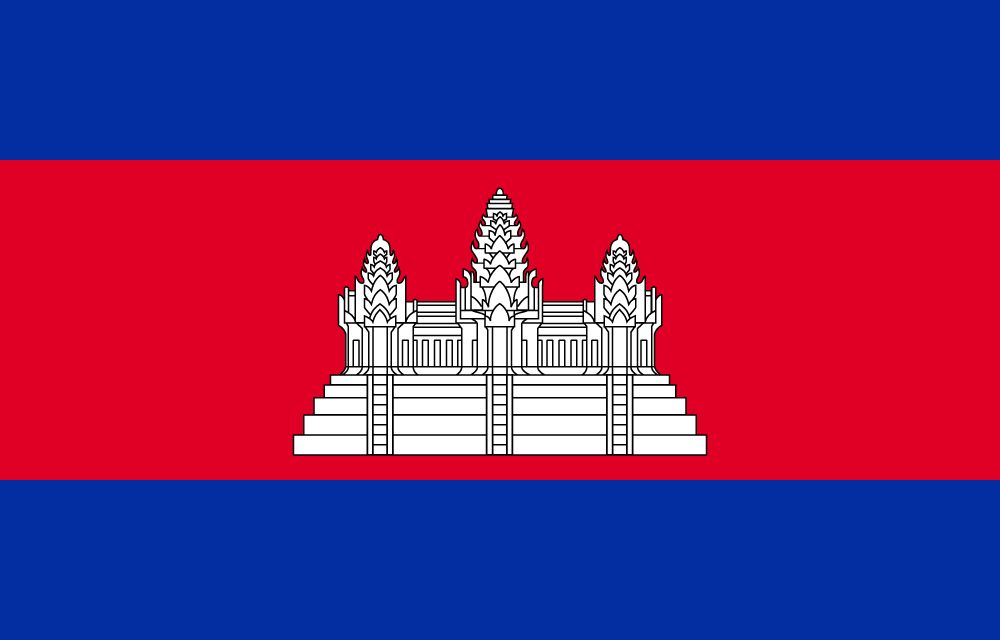
Cambodia flag

Visa Information

Below is a summary of how I entered, whether through a visa or another permitted route.

Visa Required
Yes
Cost
36 USD

Required Documents

Prepare these before applying

  • Passport
  • Passport photo
  • Passport copy

Notes

I applied for the Cambodia visa online. It can also be obtained on arrival. The fee was 36 USD. A passport photo and passport copy were enough to apply. You can apply online through the official e-visa portal at <a href='https://www.evisa.gov.kh' target='_blank'>evisa.gov.kh</a>.

Last updated 2 hours ago

Info: This is placeholder data. Real expense details will be updated soon.
S.No Details Date Amount Currency Amount (NPR) Remarks
1 9,396 Visa Fee
2 1,312 Lunch
3 5,600 HCM city to Phnon Penh bus
4 2,883 Room for 3rd Feb
5 2,340 Room for 5th Feb
6 98 Water 1.5 ltr
7 192 Tuk Tuk from bus station to Hotel
8 3,589 Phnom Phen to Siem Reap bus
9 2,610 Royal Palace Entry
10 653 Tuk Tuk to City of Killing Field
11 1,175 Killing Field tkt with one Audio guide
12 653 Tuk Tuk from killing field to city
13 1,958 Lunch
14 98 Water 1.5 ltr
15 160 Tuktuk to hotel
16 128 Tuktuk from hotel to central market
17 326 Bought Chip in Central Market
18 80 Water 1.5 ltr
19 256 Sugarcane Juice
20 1,134 Early checking hotel
21 1,958 Tuk Tuk Angkor Wat trip
22 1,044 Lunch
23 9,657 Ticket to Angkor Wat
24 256 Tuktuk for bus station to hotel
25 1,892 Dinner
26 166 Water 1.5 ltr
27 320 Tuktuk from market to hotel
28 1,305 Guide
29 1,958 Tuktuk to foating village
30 5,220 Boating in floating village
31 768 Morning Lunch
32 in hotel 783 Laundry
33 32 Street Food
34 653 Atm Withdrawl fee
35 914 Dinner
36 128 Water Bottles
37 2,871 Hotel charge
38 261 Tuktuk from hotel to bus stop
39 55,428
Total 0.00 120,251

Last updated 2 hours ago

💡

Dual Currency System

Cambodia uses both US Dollars and Cambodian Riel (KHR). USD is widely accepted, but carry Riel for small purchases under $1. Change for USD purchases is often given in Riel at roughly 4,100 KHR per $1. Keep small USD bills ($1, $5, $10) handy.

💡

USD Bill Condition Matters

Cambodians are strict about USD bill condition. Torn, marked, heavily creased, or pre-2006 bills may be rejected by vendors and hotels. Bring clean, newer-series bills in small denominations.

💡

Angkor Wat Pass

Angkor Archaeological Park requires a pass: 1-day ($37), 3-day ($62), or 7-day ($72). Purchase at the official ticket office with your passport. Photos are taken on-site for the pass. Arrive before 5 AM for the iconic sunrise over Angkor Wat.

💡

Tipping Etiquette

Tipping is not expected but appreciated. Round up tuk-tuk fares to the nearest dollar. For restaurants, leaving $1-2 or small Riel notes is a kind gesture. Porters and housekeeping appreciate $1 tips.

💡

SIM Cards and Connectivity

Buy a local SIM card at the airport or any phone shop for around $2-5 with data. Providers include Smart, Cellcard, and Metfone. A passport is required for purchase. Wi-Fi is widely available in hotels and cafes.

💡

Safety and Scams

Cambodia is generally safe for tourists, but watch for common scams like inflated tuk-tuk prices and fake tour guides. Agree on transport prices before riding. Avoid walking alone late at night in unlit areas. Keep valuables in hotel safes.

💡

Dress Modestly at Temples

Cover your shoulders and knees when visiting temples, including Angkor Wat and the Royal Palace. Lightweight long pants and a t-shirt are sufficient. Some temples provide sarongs for rent at the entrance.

Last updated 2 hours ago

1

Phnom Penh History and Culture

📍 Phnom Penh

Begin in Phnom Penh by visiting the Royal Palace and the Silver Pagoda with its emerald Buddha. Continue to the sobering Tuol Sleng Genocide Museum and the Killing Fields of Choeung Ek to understand Cambodia's difficult history. In the evening, stroll along the Sisowath Quay riverside promenade and enjoy Khmer cuisine at a local restaurant.

2

Travel to Siem Reap

📍 Siem Reap

Take a morning bus or fly to Siem Reap and settle in. Visit the Angkor National Museum to prepare for the temple visits ahead. Explore the lively Pub Street area and the Siem Reap Night Market for handicrafts and street food. Try fish amok, Cambodia's signature curry, at a traditional Khmer restaurant.

3

Angkor Wat and Temple Circuit

📍 Angkor Archaeological Park

Rise before dawn for the iconic sunrise over Angkor Wat, then explore the massive temple complex in detail. Continue to the jungle-engulfed Ta Prohm temple with its enormous tree roots and the intricate Bayon temple with its 216 stone faces. Finish with the smaller but beautiful Banteay Srei temple known for its pink sandstone carvings.

4

Battambang and Bamboo Train

📍 Battambang

Travel to Battambang, Cambodia's charming colonial-era town on the Sangker River. Ride the famous bamboo train along old French railway tracks through rice paddies. Visit the Battambang Bat Caves at sunset to witness millions of bats emerging in a swirling column. Explore the well-preserved French colonial architecture in the town center before heading back.

Last updated 2 hours ago

Fish Amok

Steamed fish curry with coconut milk, kroeung paste, and egg, served in a banana leaf bowl.

Lok Lak

Stir-fried marinated beef cubes served over lettuce with a tangy lime and pepper dipping sauce.

Nom Banh Chok

Khmer noodles with a green fish-based curry sauce, fresh vegetables, and herbs.

Bai Sach Chrouk

Thinly sliced pork marinated in coconut milk and garlic, grilled and served over rice.

Kuy Teav

Rice noodle soup with pork broth, bean sprouts, and herbs, a popular Cambodian breakfast.

Last updated 2 hours ago

🛡️

Security Overview

Security Ranking

73/100

Steady

Cambodia currently trends toward low-to-moderate caution across the main government travel advisories we track. Some sources also call out region-specific exceptions, so the public rank is kept slightly conservative.

Refreshed 04 Apr 2026

Risk Level
Moderate Awareness
General Notes
Cambodia is generally safe for tourists in major destinations like Siem Reap, Phnom Penh, and Sihanoukville. Petty theft and bag snatching from motorbikes is common in cities, especially at night. Landmines and unexploded ordnance (UXO) remain a risk in rural areas — never walk off marked paths in the countryside. Road conditions and driving standards are poor.
Common Scams
Common scams include tuk-tuk drivers taking you to commission-based shops, inflated prices at temples from unofficial guides, and the 'milk powder' scam where women with babies ask for expensive formula. Some bars in Phnom Penh's nightlife areas spike drinks. Counterfeit US dollar bills circulate — check large bills carefully.
Advice
Use PassApp or Grab for reliable transport. Keep bags secured and away from the road. Only buy Angkor Wat passes at the official ticket office. Carry US dollars (widely accepted) but avoid bills with any tears or marks — they'll be refused. Never touch or pick up any unfamiliar objects in rural areas due to UXO risk. Drink only bottled water.

Last updated 2 hours ago

Angkor Wat

The world's largest religious monument and Cambodia's crown jewel — a 12th-century Hindu-turned-Buddhist temple complex that took 30 years to build. Watch sunrise over the iconic five lotus-bud towers reflected in the moat, explore kilometers of intricate bas-relief carvings depicting Hindu epics, and venture to the jungle-consumed Ta Prohm where massive tree roots swallow ancient stone walls. A 3-day Angkor pass is recommended.

📍 Open in Google Maps

Phnom Penh Royal Palace

A stunning complex of gilded Khmer-style buildings and manicured gardens on the banks of the Tonle Sap River, serving as the residence of Cambodia's king since 1866. The Silver Pagoda floor is paved with over 5,000 silver tiles and houses a life-sized gold Buddha studded with 9,584 diamonds. Nearby, the sobering Tuol Sleng Genocide Museum and Killing Fields provide essential historical context.

📍 Open in Google Maps

Tonle Sap Lake

Southeast Asia's largest freshwater lake, which dramatically expands to five times its dry-season size during monsoon floods. Visit the floating villages of Kompong Khleang or Kampong Phluk, where entire communities — schools, shops, and pagodas — float on the water or stand on towering stilts. Boat tours through the flooded mangrove forests offer a unique glimpse into a way of life shaped entirely by water.

📍 Open in Google Maps

Koh Rong Island

A tropical paradise off Cambodia's southern coast with 43 kilometers of white-sand beaches, bioluminescent plankton that light up the sea at night, and dense jungle interior. Long Beach stretches for 7 kilometers of near-deserted sand, while the main village offers beach bars and backpacker vibes. Snorkel over coral reefs, hike through the jungle to hidden waterfalls, and swim in some of Southeast Asia's clearest water.

📍 Open in Google Maps

Last updated 2 hours ago