Asia

65 Japan

65 Japan

Japan is an island nation where ancient tradition and cutting-edge modernity exist side by side in perfect harmony. Kyoto's golden temples and bamboo groves sit just a bullet train ride from Tokyo's neon-lit skyscrapers and robot restaurants. The country offers extraordinary diversity — from snow-capped Mount Fuji and cherry blossom seasons to world-class sushi, ramen, and the deeply respectful culture of omotenashi hospitality. Incredibly safe, efficient, and endlessly fascinating for travelers.
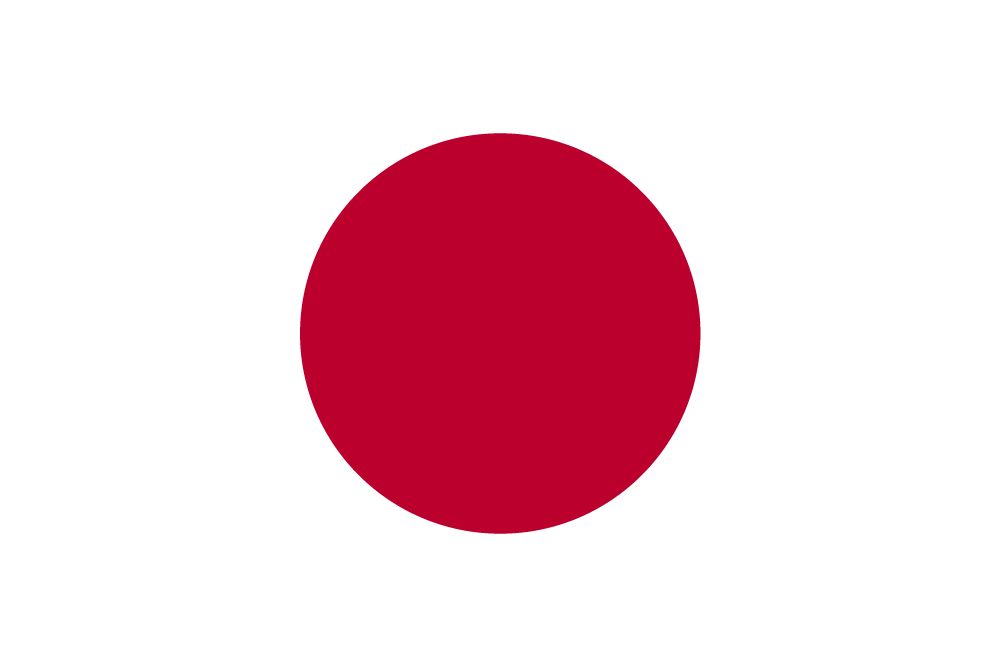
Japan flag

Visa Information

Below is a summary of how I entered, whether through a visa or another permitted route.

Visa Required
Yes
Process Time
5-7 working days
Duration
Up to 90 days
Cost
NPR 2,680 (single entry) + NPR 2,083 (VFS service charge)

Required Documents

Prepare these before applying

  • Passport (valid for 6+ months)
  • Passport-sized photo (45x35mm, white background)
  • Visa application form
  • Flight reservation
  • Hotel booking
  • Day-by-day travel itinerary
  • Bank statement (3-6 months)
  • Employment or business proof
  • Cover letter

Notes

I applied for the Japan tourist visa through VFS Global in Kathmandu at <a href='https://visa.vfsglobal.com/npl/en/jpn/' target='_blank'>visa.vfsglobal.com</a>. You need to book an appointment online, submit all documents at the VFS centre, and pay the visa and service fees. Upon arrival in Japan, I was questioned and interrogated in a separate room by Japan immigration.

Last updated 2 hours ago

Info: This is placeholder data. Real expense details will be updated soon.
S.No Details Date Amount Currency Amount (NPR) Remarks
1 ~6000/night 18,000 Accommodation
2 ~3000/day 9,000 Food & Dining
3 Free Activities
4 Free Activities
5 Free Activities
6 3,000 Activities
7 2,100 Activities
8 3,000 Transport
9 Shinkansen included 50,000 Transport
10 ~5000/night 15,000 Accommodation
11 ~2500/day 7,500 Food & Dining
12 Free Activities
13 400 Activities
14 Free Activities
15 Free Activities
16 ~700/day 2,100 Transport
17 ~4500/night 9,000 Accommodation
18 ~2500/day 5,000 Food & Dining
19 600 Activities
20 Free walk Activities
21 Free walk Activities
22 ~800 each x3 2,400 Food & Dining
23 600 Food & Dining
24 3,000 Food & Dining
25 1,600 Transport
26 3,000 Connectivity
27 40 Insurance
28 5,000 Miscellaneous
29 3,000 Transport
30 JPY 143,300 + USD 40
Total 0.00 143,340

Last updated 2 hours ago

💡

Do Not Tip

Tipping is not customary in Japan and can cause confusion. Excellent service is considered standard and included in the price. If you leave money on the table, staff may run after you to return it. This applies to restaurants, taxis, and hotels.

💡

Get an IC Card for Transport

Suica, Pasmo, or Icoca cards simplify travel on subways, buses, and commuter trains, and work at convenience stores and vending machines. Physical cards have limited availability due to chip shortages; iPhone users can add Suica directly to Apple Wallet.

💡

Cash Is Still Important

Despite growing cashless options, Japan remains a cash-heavy society, especially at small restaurants, temples, and rural businesses. When paying, place money on the small tray provided, not directly into hands. 7-Eleven and Japan Post ATMs reliably accept foreign cards.

💡

JR Pass for Bullet Trains

The Japan Rail Pass offers unlimited access to JR trains nationwide for 7, 14, or 21 days, including famous Shinkansen bullet trains. Purchase online in advance to reserve seats. The pass pays for itself with just one round-trip Tokyo-Kyoto Shinkansen journey.

💡

Remove Shoes Indoors

Remove your shoes when entering homes, ryokans (traditional inns), many restaurants, temples, and museums. Slippers are usually provided. At some temples, separate slippers are provided for toilets. Always wear clean socks.

💡

Customs Declaration Online

Speed up customs clearance by filling out the declaration online at Visit Japan Web before arrival. Save the QR code on your phone to show customs officers. Paper forms are also available on the plane.

💡

Best Times to Visit

Cherry blossom season (late March to mid-April) and autumn foliage (mid-November to early December) are the most popular but crowded periods. Book accommodation months ahead. Summer (July-August) is hot and humid. Winter is great for skiing in Hokkaido and Nagano.

Last updated 2 hours ago

1

Tokyo's Electric Energy

📍 Tokyo

Dive into Tokyo starting at the serene Meiji Shrine surrounded by ancient forest, then contrast with the neon-lit chaos of Shibuya Crossing. Explore the otaku culture in Akihabara's electronics district and browse the trendy boutiques of Harajuku's Takeshita Street. End the day with fresh sushi at Tsukiji Outer Market.

2

Tokyo Temples and Traditions

📍 Tokyo

Visit the ancient Senso-ji Temple in Asakusa and walk through the Nakamise-dori shopping street lined with traditional snack and souvenir stalls. Take a stroll through the Imperial Palace East Gardens and explore the upscale Ginza district. In the evening, experience the tiny golden-lit bars of Shinjuku's Golden Gai and the robot-like energy of Kabukicho.

3

Hakone and Mount Fuji Views

📍 Hakone

Take the Romancecar express to Hakone and ride the Hakone Ropeway over volcanic Owakudani valley with its steaming sulphur vents. Cruise across Lake Ashi on a pirate ship with Mount Fuji as the backdrop on clear days. Soak in a traditional onsen hot spring bath at a ryokan inn and try black eggs boiled in the volcanic springs.

4

Kyoto Temples and Geisha District

📍 Kyoto

Take the Shinkansen bullet train to Kyoto and walk through the thousands of vermillion torii gates at Fushimi Inari Shrine. Visit the golden Kinkaku-ji temple reflected in its mirror pond and the serene rock garden at Ryoan-ji. Wander through the atmospheric Gion geisha district in the evening hoping to spot a maiko in her elaborate kimono.

5

Kyoto Bamboo and Tea Ceremony

📍 Kyoto

Walk through the towering Arashiyama Bamboo Grove at dawn before the crowds arrive and cross the scenic Togetsukyo Bridge. Visit the moss-covered gardens of Tenryu-ji Temple and explore the charming Philosopher's Path lined with cherry trees. Participate in a traditional Japanese tea ceremony and try matcha sweets at a historic teahouse.

6

Nara Deer Park and Hiroshima

📍 Nara and Hiroshima

Make a morning trip to Nara to bow with the sacred deer in Nara Park and visit the enormous Great Buddha inside Todai-ji Temple. Take the Shinkansen to Hiroshima and walk through the deeply moving Peace Memorial Park and Museum. See the Atomic Bomb Dome, a UNESCO World Heritage Site preserved as a stark reminder of the devastation of nuclear warfare.

7

Osaka Street Food Capital

📍 Osaka

Travel to Osaka and head straight to Dotonbori, the legendary street food district with its giant neon signs and canal-side energy. Eat your way through takoyaki octopus balls, okonomiyaki savory pancakes, and kushikatsu deep-fried skewers. Visit Osaka Castle surrounded by its beautiful park and take in panoramic views from the top floor observation deck.

Last updated 2 hours ago

Sushi

Vinegared rice topped with fresh raw fish, seafood, or vegetables, a symbol of Japanese cuisine.

Ramen

Rich broth noodle soup with toppings like chashu pork, soft egg, nori, and scallions.

Tempura

Lightly battered and deep-fried seafood and vegetables with a delicate, crispy coating.

Takoyaki

Crispy ball-shaped snack filled with octopus, topped with savory sauce and bonito flakes.

Tonkatsu

Breaded and deep-fried pork cutlet served with shredded cabbage and tangy tonkatsu sauce.

Matcha Desserts

Sweets made with powdered green tea, from ice cream and mochi to cakes and Kit-Kats.

Last updated 2 hours ago

🛡️

Security Overview

Security Ranking

94/100

Very strong

Japan currently sits in the lowest caution tier across the main government travel advisories we track.

Refreshed 04 Apr 2026

Risk Level
Low Caution
General Notes
Japan is one of the safest countries in the world for travelers, with extremely low violent crime rates. Natural hazards are the main concern — earthquakes, typhoons (June-October), and volcanic activity are real risks. The country has an excellent early warning system for earthquakes and tsunamis.
Common Scams
Very few tourist scams exist in Japan. Occasional reports of overcharging at certain izakayas (bars) in entertainment districts like Kabukicho in Tokyo and Dotonbori in Osaka — always check prices before ordering. Touts may try to lure tourists into overpriced bars. Fake monk solicitation for donations occurs near tourist temples.
Advice
Download a disaster preparedness app for earthquake alerts. Learn basic earthquake safety (drop, cover, hold). Keep your IC transit card loaded. Japan is largely cash-based outside major cities — carry yen. Follow etiquette rules: no tipping, no eating while walking, quiet on trains. Tattoos may restrict entry to some onsen (hot springs).

Last updated 2 hours ago

Fushimi Inari Kyoto

Kyoto's most iconic shrine, famous for its seemingly endless tunnel of over 10,000 vermillion torii gates winding up the forested Mount Inari. The full hike to the summit takes about 2-3 hours with panoramic views of Kyoto along the way. Visit early morning or late afternoon to avoid crowds and catch the gates glowing in soft light. Fox statues guard the shrine, as foxes are believed to be Inari's messengers.

📍 Open in Google Maps

Mount Fuji

Japan's highest peak and most sacred mountain at 3,776 meters, a near-perfect symmetrical volcanic cone visible from Tokyo on clear days. The official climbing season runs July to early September, with most hikers starting at the 5th Station for an overnight summit trek to catch sunrise (goraiko) from the top. For those not climbing, the Fuji Five Lakes region offers stunning reflection views, especially at Lake Kawaguchiko.

📍 Open in Google Maps

Tokyo Shibuya Crossing

The world's busiest pedestrian crossing where up to 3,000 people surge across from all directions every time the lights change. Watch the organized chaos from the Starbucks overlooking the intersection or the Shibuya Sky observation deck 230 meters above. The surrounding area is a neon-lit hub of fashion boutiques, izakayas, and the famous Hachiko dog statue — Tokyo's most popular meeting point.

📍 Open in Google Maps

Hiroshima Peace Memorial

The haunting A-Bomb Dome, a UNESCO World Heritage Site, stands as the only structure left near the hypocenter of the 1945 atomic bombing. The surrounding Peace Memorial Park contains the museum with artifacts and survivor testimonies, the Children's Peace Monument draped in colorful paper cranes, and the eternal flame that will burn until all nuclear weapons are eliminated. A deeply moving and essential visit.

📍 Open in Google Maps

Nara Deer Park

Home to over 1,200 free-roaming sacred deer that bow to visitors in exchange for special shika senbei (deer crackers) sold throughout the park. The deer have been considered divine messengers for over a thousand years. Within walking distance are some of Japan's most impressive ancient temples — Todai-ji houses a 15-meter bronze Buddha in the world's largest wooden building, and Kasuga Taisha shrine is lined with thousands of stone and bronze lanterns.

📍 Open in Google Maps

Last updated 2 hours ago