Oceania

59 Papua New Guinea

59 Papua New Guinea

Papua New Guinea is one of the most culturally and biologically diverse places on Earth — over 800 languages are spoken across its highland valleys, coastal villages, and island chains. The Sepik River region produces some of the Pacific's finest tribal art, Huli Wigmen perform elaborate sing-sing ceremonies in the Southern Highlands, and the coral reefs rival anywhere in the world for diving. Travel here is challenging and requires planning, but rewards adventurous visitors with experiences found nowhere else.
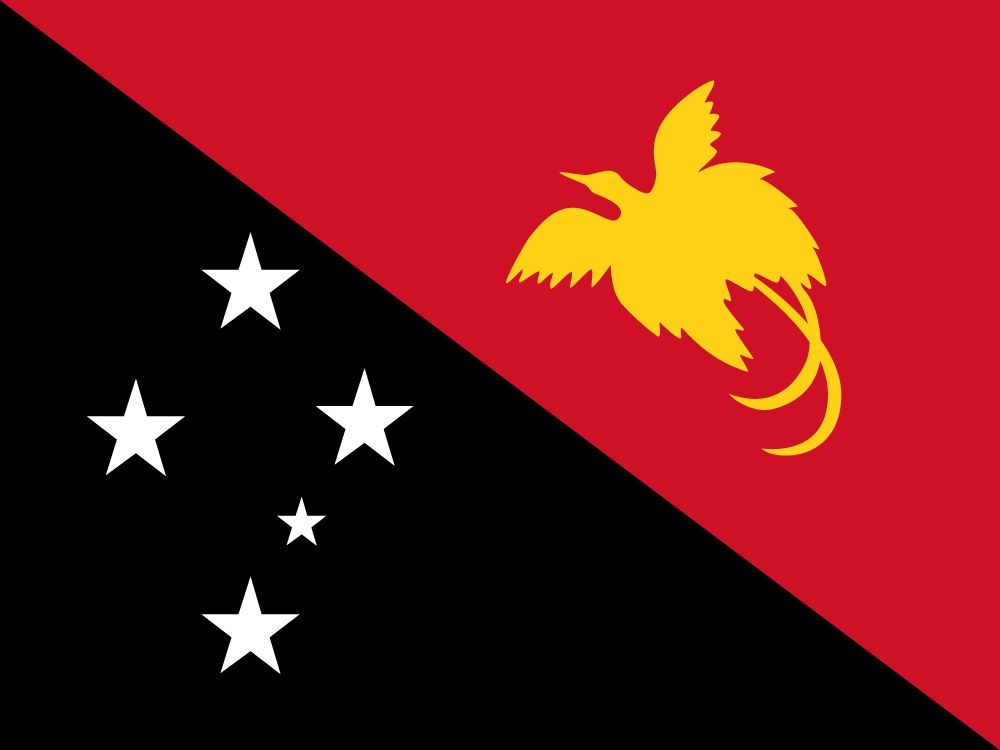
Papua New Guinea flag

Visa Information

Below is a summary of how I entered, whether through a visa or another permitted route.

Visa Required
Yes
Process Time
A few days to one week
Duration
30 or 60 days
Cost
50 USD

Required Documents

Prepare these before applying

  • Passport (valid for 6 months with 2 blank pages)
  • Passport-sized photo
  • Travel itinerary
  • Proof of funds
  • Return ticket

Notes

I applied for the Papua New Guinea e-visa online through the ICA e-visa portal at <a href='https://evisa.ica.gov.pg/evisa/' target='_blank'>evisa.ica.gov.pg</a>. The process involves registering with an email address, filling in application details, uploading documents, and paying the visa fee online. Once paid, a receipt is emailed and the visa is granted electronically. My visa was granted on a Friday and my flight was on Sunday, so I had to follow up by email to expedite the process.

Last updated 2 hours ago

Info: This is placeholder data. Real expense details will be updated soon.
S.No Details Date Amount Currency Amount (NPR) Remarks
1 6,534 Visa Fee
2 38,341 Hotel 3 nights
3 5,564 Gift
4 28,293 Port Moresby to Sydney return flight
5 30,144 Flight Brisbane to Port Moresby
6 185 Sim card
7 371 Taxi hotel to Vincent mall
8 371 Museum entrance weekend
9 74 2 betel nuts
10 556 Taxi fare from museum to hotel
11 1,224 Dinner
Total 0.00 111,657

Last updated 2 hours ago

💡

Visa Required for Most Visitors

Most tourists need to apply for an eVisa online via the PNG Immigration & Citizenship Authority portal before arrival. Your passport must have at least 6 months validity. Australian citizens can enter visa-free for tourism stays up to 60 days.

💡

Safety Is a Major Concern

The U.S. State Department advises reconsidering travel to PNG due to crime, civil unrest, and piracy. Do not use local taxis or public buses (PMVs). Travel with guides from reputable tour companies. Avoid walking or driving at night. Use pre-arranged transport for all transfers.

💡

Bring Sufficient Cash

The currency is the Papua New Guinean Kina (PGK). ATMs exist in Port Moresby and major towns but are scarce elsewhere. Bring sufficient cash for your trip, especially for remote areas. USD is accepted at some tourist establishments.

💡

Malaria Prevention Essential

Malaria risk is high throughout PNG. Take antimalarial medication as prescribed by your doctor before, during, and after travel. Use insect repellent with DEET, wear long sleeves and pants at dusk, and sleep under treated mosquito nets.

💡

Use Local Guides

Always use a local guide when exploring. They speak the tok ples (local language) and know which areas are safe to visit. PNG has over 800 languages and diverse tribal customs. A guide helps navigate cultural differences and ensures respectful interactions.

💡

Best Time to Visit

June to September is the dry season with cooler, more comfortable weather, making it the best time to visit most of PNG. The Lae region is an exception, being wet during these months. The Mount Hagen Cultural Show in August is a highlight for witnessing traditional sing-sing performances.

Last updated 2 hours ago

1

Port Moresby City Tour

📍 Port Moresby

Begin in the capital Port Moresby by visiting the National Museum and Art Gallery to see tribal artifacts, spirit boards, and traditional bilum bags. Explore the Parliament House with its stunning traditional-style architecture and the nearby National Botanical Gardens. Walk along Ela Beach and visit the Bomana War Cemetery honoring WWII soldiers.

2

Kokoda Track Memorial

📍 Kokoda

Travel to the start of the legendary Kokoda Track and hike the first section of this historic WWII trail through dense jungle. Visit the Kokoda Memorial and Isurava Memorial with its four granite pillars inscribed with the words Courage, Endurance, Mateship, and Sacrifice. Learn about the pivotal 1942 campaign from local guides whose grandparents served as carriers.

3

Highlands Culture and Villages

📍 Mount Hagen

Fly to Mount Hagen in the Western Highlands and visit a traditional village to witness sing-sing performances with elaborate feathered headdresses and body paint. Explore the local market where highland villagers trade sweet potatoes, coffee beans, and betel nut. Drive through the stunning Wahgi Valley with its terraced gardens and coffee plantations against a backdrop of misty mountains.

4

Rabaul and Volcanic Landscape

📍 Kokopo and Rabaul

Fly to Kokopo near the ruins of Rabaul, a town buried by the 1994 eruption of Mount Tavurvur volcano. Walk on the volcanic ash fields and visit the underground Japanese war tunnels and bunkers from WWII. Snorkel at the pristine reefs off Duke of York Islands and enjoy a traditional mumu feast of pork and root vegetables cooked on hot stones.

Last updated 2 hours ago

Mumu

Traditional earth oven feast with pork, sweet potatoes, greens, and bananas cooked on hot stones.

Kaukau

Roasted or boiled sweet potato, the most important staple food in the PNG highlands.

Sago

Starchy flour from sago palm processed into pancakes or porridge, a lowland staple.

Kokoda

Raw fish cured in lime and mixed with coconut cream, chili, and onions.

Lamb Flaps

Fatty lamb belly strips barbecued over charcoal until crispy, a cheap and popular protein across the country.

Tulip

Canned corned beef stewed with onions, tomatoes, and greens, a widely eaten convenience meal in PNG towns.

Last updated 2 hours ago

🛡️

Security Overview

Security Ranking

72/100

Steady

Papua New Guinea currently falls in an elevated-caution range across the main government travel advisories we track. Some sources also call out region-specific exceptions, so the public rank is kept slightly conservative.

Refreshed 04 Apr 2026

Risk Level
Moderate Awareness
General Notes
Papua New Guinea has significant security challenges including high rates of violent crime, carjacking, armed robbery, and tribal conflicts in the Highlands. Port Moresby and Lae are particularly dangerous, especially at night. However, many rural and island areas visited by organized tours are considerably safer. Inter-tribal violence and civil unrest can flare without warning. Healthcare infrastructure is very limited.
Common Scams
Opportunistic theft is more common than organized scams. Beware of inflated prices for guides and transport in areas where few alternatives exist. Some 'cultural performances' arranged for tourists may be inauthentic or overpriced. Never display valuables, cameras, or phones openly in urban areas as snatch-and-grab theft is common.
Advice
Travel with a reputable tour operator rather than independently — this is strongly recommended for PNG. Avoid walking in urban areas after dark. Keep vehicle doors locked and windows up at all times in cities. Do not resist if confronted by armed robbers. Carry comprehensive travel insurance that includes medical evacuation. Seek local guidance before visiting Highlands areas and always travel with a trusted local guide.

Last updated 2 hours ago

Kokopo Rabaul

A coastal town in East New Britain built near the ruins of old Rabaul, which was buried by the 1994 twin volcanic eruption of Tavurvur and Vulcan. Visit the still-steaming Tavurvur volcano, explore Japanese WWII tunnels and bunkers carved into the hillsides, and see the remains of buildings half-buried in volcanic ash. The surrounding area offers excellent snorkeling over coral reefs and WWII shipwrecks.

📍 Open in Google Maps

Sepik River

One of the great river systems of the world, flowing 1,126 kilometers through dense rainforest and swampland. The Sepik region is the artistic heartland of PNG — villages along the river produce some of the most striking tribal art in the Pacific, including carved spirit houses (haus tambaran), masks, and totems. Multi-day canoe trips with local guides offer deep immersion into communities largely unchanged by the modern world.

📍 Open in Google Maps

Tari Valley

Home to the Huli Wigmen, one of Papua New Guinea's most iconic tribal groups, famous for their elaborate wigs made from their own hair, painted faces in vivid yellow and red, and traditional sing-sing ceremonies. The surrounding Southern Highlands feature pristine cloud forest, birds of paradise, and some of the most culturally intact communities in the world. A cultural guide is essential for respectful visits.

📍 Open in Google Maps

Tufi Fjords

Dramatic fjord-like inlets carved into the northern coast of Oro Province, surrounded by steep jungle-covered cliffs plunging into deep blue water. Often called the 'Scandinavia of the tropics,' Tufi offers world-class diving over pristine coral walls, WWII wrecks, and underwater caves. The area is also a center for traditional tapa cloth making and tattoo culture among the local Korafe people.

📍 Open in Google Maps

Last updated 2 hours ago